
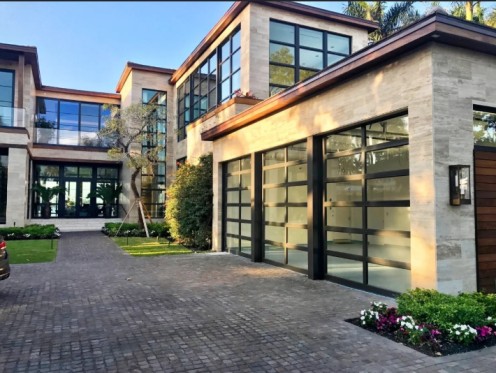
Impact windows used to be about one thing: keeping a hurricane out. They were heavy, thick, and often ugly. Homeowners put up with them because they had to. That’s changed. In 2026, impact glass is one of the main features in high-end homes, not something hidden behind the design. Architects now use it for floor-to-ceiling walls of glass, wide sliding doors, and corner windows that open a room to the outside. Frames are thinner. Glass is clearer. And the windows do more than stop storm debris. They block noise, cut energy costs, filter UV light, and make homes more secure. For buyers in coastal areas, they’re often expected, not optional.
This article looks at how impact windows are changing luxury home design, the trends shaping it this year, what they cost, and what to think about before you buy. Here’s what to know if you’re building or renovating a home.
From Storm Gear to Design Feature
For years, storm protection meant plywood, metal panels, or accordion shutters. They worked, but they blocked light and took time to put up. Early impact windows helped, but the frames were bulky and the glass sometimes had a slight tint or distortion.
Better materials changed that. Manufacturers improved the laminated glass, the interlayers, and the frame systems. Now impact products can look almost the same as standard high-end windows.
So designers stopped treating them as a safety add-on. They started designing around them. In many luxury homes, the windows are the main architectural feature.
How Impact Glass Works
It helps to know what you’re paying for.
Impact glass is laminated. That means two or more layers of glass are bonded to a tough plastic interlayer in the middle. When something hits it, the glass may crack, but it stays attached to the interlayer. It doesn’t shatter into the room.
The frame matters just as much. Impact frames are reinforced and anchored into the wall. The whole system is tested together.
In Florida, testing is strict. Products are hit with large objects, like a 2×4 fired at high speed, and then put through cycles of air pressure that mimic hurricane winds. Only products that pass get approved for use in high-velocity hurricane zones like Miami-Dade and Broward counties.
Bigger Glass, Fewer Walls
The biggest design change is scale. Impact glass is now available in much larger sizes than before.
That opens up options like:
- Window walls. Entire walls made of glass, from floor to ceiling.
- Multi-slide doors. Panels that stack or slide into pockets, leaving a wide open space between indoors and out.
- Corner openings. Two glass walls meeting at a corner with no post in between.
- Oversized picture windows. Large fixed panes that frame a view of the water, a garden, or the city.
This fits how people want to live now. Open floor plans, outdoor kitchens, and pool decks that feel like part of the living room. Impact glass makes that possible in places where storms are a real threat.
Slimmer Frames, Cleaner Look
Luxury design leans toward clean lines and fewer visual breaks. Thick frames get in the way of that.
Newer impact frames, especially aluminum ones, are much slimmer than older models. That means more glass and less frame. The view becomes the focus.
Frame finish matters too. Many homeowners now choose frames that blend into the design instead of standing out. Others go the opposite way and use dark frames as a bold outline.

Design Trends Shaping 2026
A few trends stand out this year:
- Black and bronze frames. Dark finishes still lead in modern and contemporary homes. They give a sharp, defined look.
- Minimal sightlines. Frames that nearly disappear when viewed from inside.
- Low-E and tinted glass. Coatings that reduce heat and glare without making rooms dark.
- Large pivot doors. Oversized front doors with impact glass panels that rotate on a center pin.
- Arched and custom shapes. Mediterranean and transitional homes are using arched impact windows to keep a classic look.
- Smart glass. Some high-end projects now use glass that can switch from clear to frosted for privacy. It’s still expensive, but interest is growing.
- Matching systems. Windows, doors, and railings designed as one set so everything looks consistent.
A Quieter Home
This benefit often surprises people. The same laminated glass that stops debris also blocks a lot of outside noise.
For homes near busy roads, airports, marinas, or nightlife areas, the difference can be big. Traffic, lawn equipment, and neighbor noise fade into the background.
Quiet is a big part of what makes a home feel high-end. Buyers notice it right away during showings, even if they can’t say exactly why the house feels calm.
Energy Savings and Comfort
In hot climates, windows let in a lot of heat. That makes air conditioners work harder.
Impact windows with Low-E coatings reflect much of that heat back outside. The result:
- Lower cooling costs
- Fewer hot spots near windows
- More even temperatures from room to room
- Less strain on your HVAC system
They also block most UV rays. That protects floors, furniture, rugs, and artwork from fading. For homes with expensive finishes or art collections, that alone can justify the cost.
Security Without Bars
Impact glass is much harder to break than standard glass. A burglar can crack it, but getting through it takes time and makes noise. Most give up.
That gives homeowners security without the look of bars, grilles, or heavy shutters. You get strong protection and a clear view at the same time.
It also means you don’t need to board up or close shutters before you leave on a trip during storm season.
Natural Light and Better Living Spaces
Large windows bring in more daylight, and daylight makes a home feel better. Studies link natural light to better mood, sleep, and focus.
Designers now plan rooms around light. Home offices face windows. Kitchens open to the backyard. Reading nooks sit next to large panes.
Families use this too. If you’re thinking about how to create a learning corner at home for kids, a spot next to a large impact window is a good choice. It gets steady daylight, less glare with the right coating, and less noise from outside. That makes it easier for kids to focus on homework or reading.
Insurance, Resale Value, and Code
In Florida and other coastal states, impact windows affect more than design.
Here’s how they can help financially:
- Insurance discounts. Many insurers offer lower windstorm premiums for homes with approved opening protection. A wind mitigation inspection documents this.
- Resale value. Buyers in hurricane areas often look for impact windows. Homes without them may sell for less or take longer to sell.
- Code compliance. In high-velocity hurricane zones, new construction and major renovations must meet strict opening protection rules. Impact windows are one of the main ways to meet them.
- Possible grants. Florida has offered home hardening grants in past years that covered part of the cost of impact windows. Funding changes, so check whether a program is open before you plan around it.
What They Cost
Impact windows aren’t cheap. Prices depend on size, frame material, glass type, design, and installation.
Some general points:
- Standard-size impact windows usually cost much more than regular windows, often thousands of dollars each installed.
- Large sliding doors and window walls can run well into five figures.
- Custom shapes, dark finishes, and special coatings add to the price.
- Aluminum frames usually cost more than vinyl but allow slimmer profiles and larger sizes.
- Permits, removal of old windows, and stucco or drywall repair add to the total.
Get at least three detailed quotes. Make sure each one lists the exact product, glass type, and what’s included in the installation.
Choosing the Right Product and Installer
A good product installed badly won’t perform the way it should. Both matter.
Before you sign a contract, check these things:
- Product approval. In South Florida, look for a Miami-Dade Notice of Acceptance (NOA) or Florida Product Approval.
- Licensed contractor. Confirm the installer’s license and insurance.
- Permits. A proper installer pulls permits and schedules inspections.
- Warranty. Ask about warranties on the glass, frame, and labor separately.
- Local experience. Installers who know local code and weather conditions tend to avoid costly mistakes.
- Past work. Ask for photos and references from similar projects.
If you’re comparing companies for impact windows fort lauderdale homeowners use, ask each one how long the project will take, how they protect your home during installation, and who handles any issues after the job is done.
Mistakes to Avoid
A few common problems come up often:
- Choosing the cheapest quote without checking what product is being used
- Ignoring glass coatings and ending up with rooms that feel hot or dark
- Replacing windows but not doors, which leaves weak points
- Skipping the wind mitigation inspection and missing insurance savings
- Not planning for lead times, which can stretch for weeks or months in busy seasons
The Bottom Line
Impact windows are no longer just storm protection. In 2026, they shape how luxury homes look and feel. They allow bigger openings, slimmer frames, and more natural light. They make homes quieter, cooler, and more secure. And in coastal areas, they can lower insurance costs and help resale value. The upfront price is high, but you get safety, comfort, and design in one product. If you’re building or renovating, plan your windows early. They’ll affect almost every other design choice in the house.